
Weight alone never determines what can be lifted safely in a manufacturing environment. Instead, safety depends on the weight and how the lift is executed. Why is safe lifting important? Because overexertion and repetitive lifting can lead to injuries like lumbar sprains, disc herniations, and chronic tendonitis. These musculoskeletal disorders (MSDs) are a leading cause of missed workdays, workers’ compensation insurance claims, and other negative consequences that affect the worker and the organization. Operators using them can move materials quickly and efficiently with less physical effort and a lower risk of strains and other repetitive-use injuries. By using industrial balancers, manufacturers can eliminate manual lifting, prevent workplace injuries, and maintain a smooth, steady production flow.

An industrial balancer is an excellent choice on packaging lines where workers handle uniform, balanced loads under 200 pounds. These powerful pneumatic devices are designed and optimized to execute repetitive vertical movements with ease. Operators using them can move materials quickly and efficiently with less physical effort and a lower risk of strains and other repetitive-use injuries. By using industrial balancers, manufacturers can eliminate manual lifting, prevent workplace injuries, and maintain a smooth, steady production flow.

How do you select the right industrial manipulator solution for your plastics or heavy manufacturing business? That is a crucial question. Making a well-informed decision requires evaluating key criteria: load profile, center of gravity, necessary movements, and workspace constraints, among others. By selecting an advanced system with a custom-engineered gripper, you gain several operational advantages, including eliminating manual lifting, preventing strain injuries, maintaining consistent production speed, and increasing output — all without relying on automated robotics.
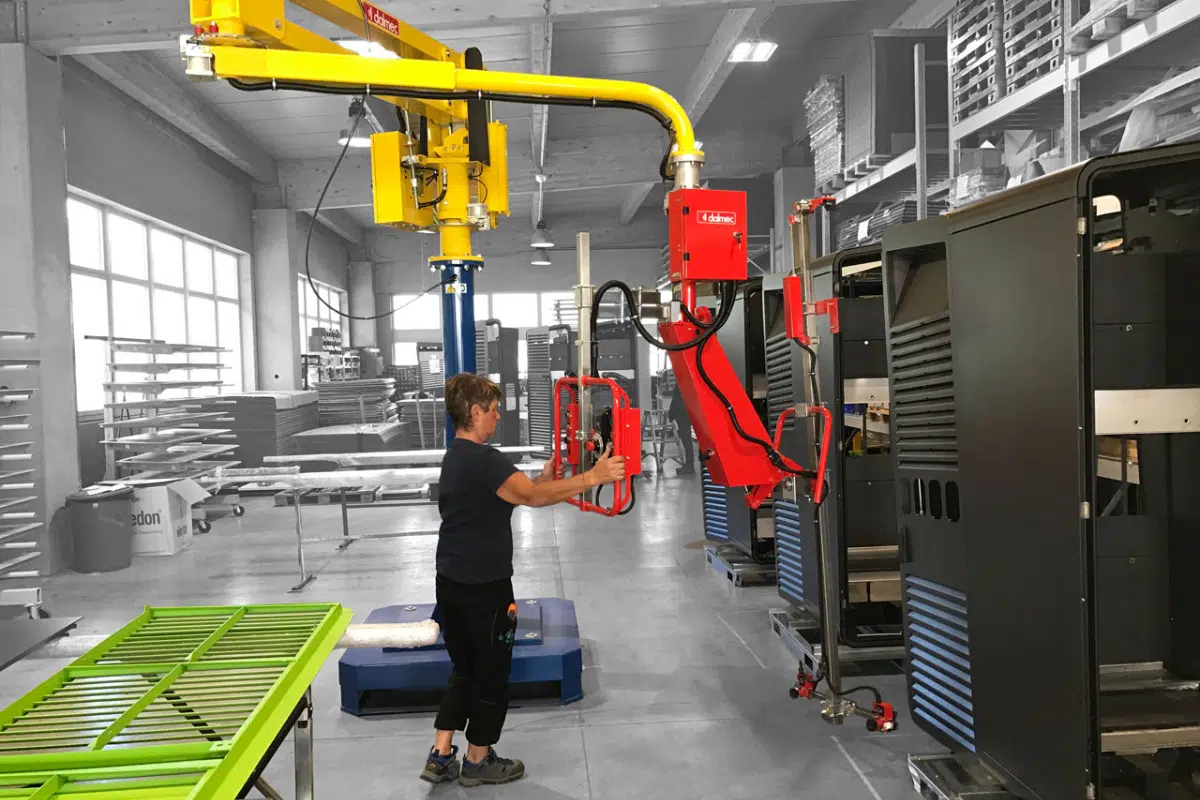
Every day, millions of workers perform tasks that involve lifting, pushing, pulling, and carrying materials. These movements are so common that we often take them for granted. However, manual material handling is one of the biggest causes of workplace injuries across the globe. These injuries do not always happen in a single, dramatic moment like a fall. Often, they are the result of thousands of small, repetitive stresses that eventually break down the body. To stop these injuries, we have to look closely at the physical mechanics of the work itself. We need to understand how joints, muscles, and nerves react to the pressure of industrial labor.
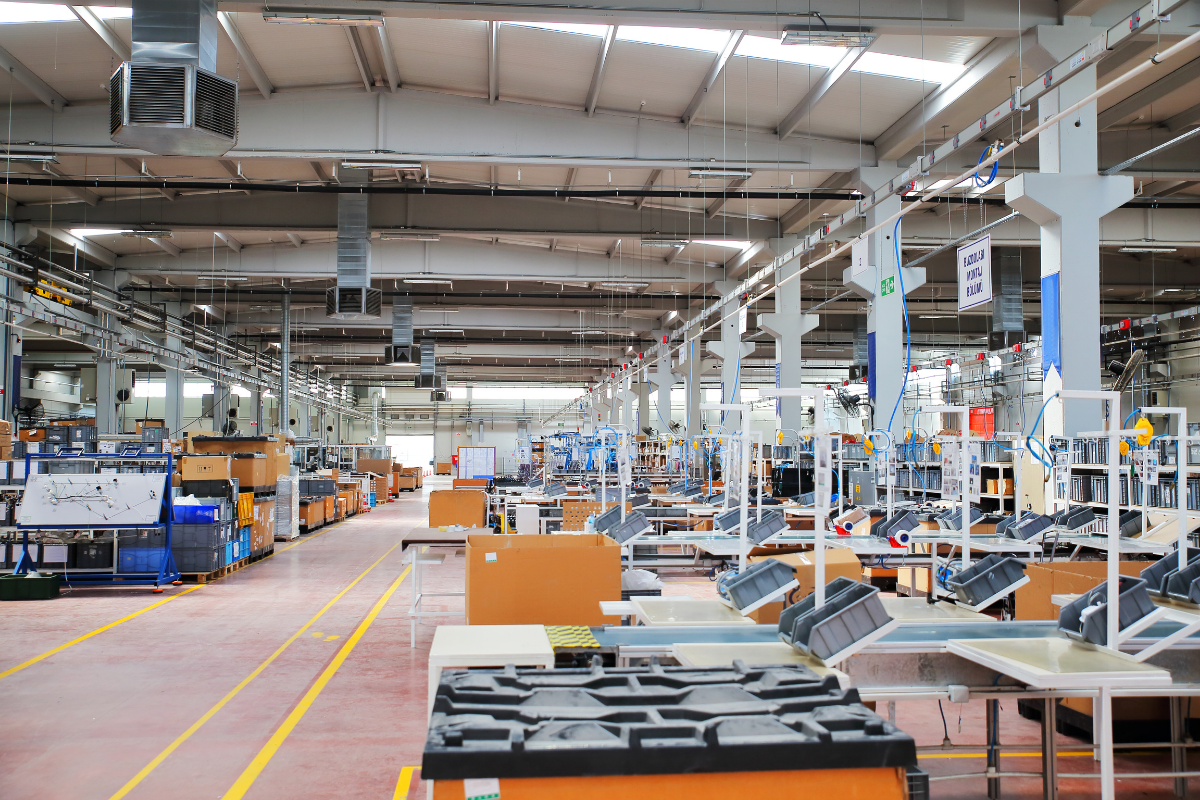
Unplanned downtime doesn’t just pause the production line. Whether a disruption lasts for minutes, hours, or days, the impact goes far beyond the reduction in output. Manufacturing downtime is a systemic problem and a business risk that threatens buyer trust, strains your workforce, and drains resources. Fortunately, you can take steps to address the problems causing the interruptions. First and foremost among the solutions is implementing customized industrial manipulators.
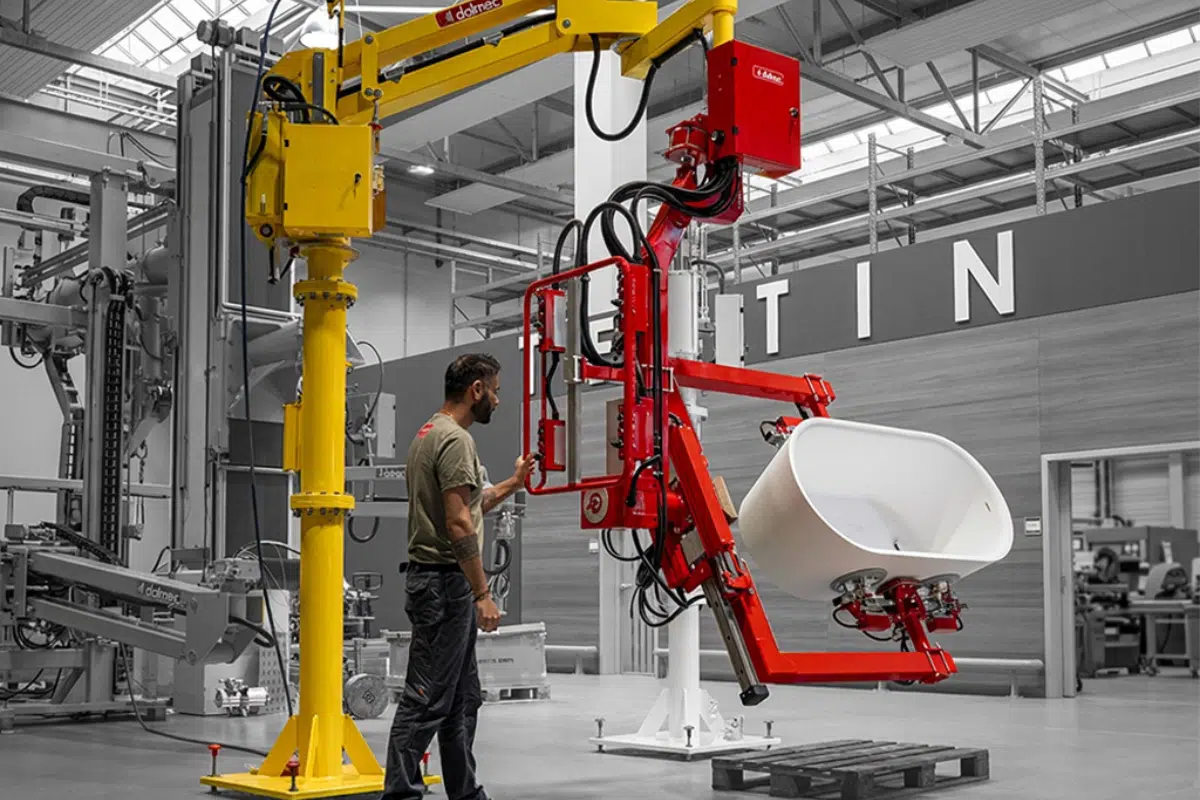
Two of the primary goals in manufacturing, especially lean manufacturing, are eliminating waste from unnecessary motion and overprocessing. Many companies find that the best way to reduce manufacturing waste is to integrate industrial manipulators that improve how operators interact with materials. These lift-assist systems minimize non-value-added movements such as bending, reaching, or walking while ensuring standardized, precise handling. By customizing the tool to the specific task, manufacturers can sustain flow and shield their workforce from the physical strain that often leads to inefficiency and can even cause injuries.
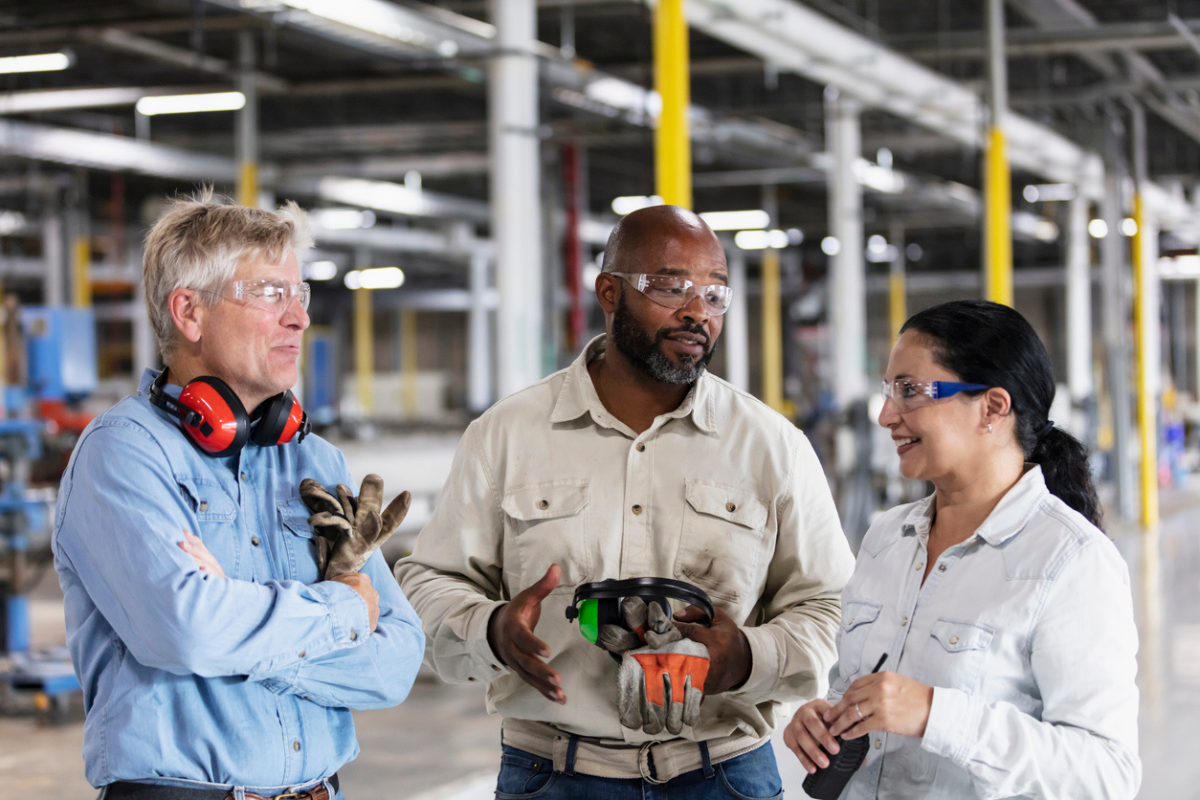
The goal of a manufacturing automation initiative is typically to remove human workers from a specific process to increase speed or consistency, while a lift-assist system is designed to enable employees to work more efficiently and with less physical strain. By implementing industrial manipulators, companies can protect workers from injuries and increase their productivity without removing their crucial skills, experience, and decision-making from the equation. This approach boosts safety and career longevity while simultaneously avoiding the high cost of fully automated robotic systems.

The most successful manufacturers prioritize their people (along with the equipment those employees use in their work) because human skills remain the primary driver of innovation and consistent quality. It’s true that advanced technology provides the physical capability to produce goods. However, a supported and well-trained workforce ensures that these tools are used effectively and safely.

Most manufacturing engineers at medium-sized U.S. plants already know they have a lifting problem. The OSHA recordables are in the log. The near-misses get discussed at safety meetings. The bottleneck on the assembly line is visible to anyone who stands and watches for five minutes. What stalls the decision is process. The path from “we need to fix this” to a working manipulator on the floor involves vendor selection, configuration decisions, budget justification, installation planning, and operator training. Without a clear framework, that path feels long enough that plants push the project to next quarter, and then the quarter after that. This guide is that framework. It walks through seven practical steps so manufacturing engineers and operations leaders at medium-sized U.S. factories can move from problem to purchase with confidence.

Manufacturing businesses know that the most difficult material handling tasks are rarely the ones involving perfect cubes or symmetrical boxes. Most facilities must deal with components that are bulky, unbalanced, or fragile. When you try to move an off-center load with a standard hoist, you often find that the item tips, swings, or becomes nearly impossible to position accurately. This is a common point of frustration for many engineering teams. Traditional industrial lift-assist equipment often fails when the center of gravity is not directly under the lifting point. To solve this, a custom industrial manipulator is designed to handle the specific physics of your most challenging parts.

When you manage a high-volume manufacturing facility, the words "installation" or “implementation” often trigger a sense of dread. You know that your team needs better tools to handle heavy loads, but you cannot afford to let your output drop while you wait for new equipment to be set up. The fear of downtime is a very real barrier to progress. What is the key to a smooth transition? That is a crucial question. At Dalmec, our team focuses on implementing industrial manipulators in ways that respect your current workflows.

When you walk onto a manufacturing floor, the powerful equipment and fast-moving assembly lines tend to catch your eye. These are the most visible symbols of a facility's health and output. However, if you look closer at the people working around those machines, you may notice something else. You might see the subtle physical strain of workers constantly bending, reaching, and lifting. While the direct costs of a workplace accident are easy to calculate, a much larger set of expenses remains hidden from the standard balance sheet. This "operational friction" is often caused by a heavy dependence on manual material handling for tasks that simply push the human body too far.

The physical environment of the modern factory is changing, and much of that change is driven by the people who work there every day. If you look across many production floors today, you will see a workforce that possesses an incredible amount of experience but also faces new physical challenges. Many manufacturing companies rely on workers who, as they advance into the later years of their careers, remain one of the organization’s greatest assets. However, it is also a demographic that requires specific support to remain productive and healthy. As employees stay in their roles longer, the cumulative physical toll of manual labor becomes a significant concern for both the individual and the organization.

Many manufacturing companies take time in the early part of the year to review their annual goals and look for ways to improve performance. It is a natural point for reflection and planning. Often, the top priority for a production facility is improving worker safety. Businesses usually address this goal through additional training sessions or the purchase of better personal protective equipment (PPE), such as gloves, helmets, and glasses. These steps are certainly important, but they often represent a reactionary approach to safety. True safety comes from a fundamental shift in how we view the factory floor. Rather than just trying to protect a worker from a hazard, a more effective approach is to remove the hazard entirely. To do that, you must design safety directly into the work itself.

If you walk through almost any manufacturing facility, especially one that has been in operation for several years, you will probably notice a recurring theme. The floor is crowded. As time goes by, new machines are added, assembly lines are tweaked, and storage racks are squeezed into every available corner. When a business owner decides to integrate industrial manipulators, such as material handling equipment, the primary hurdle is often a simple lack of square footage. You might feel like you have to choose between operator safety and the physical limitations of your workspace. However, a small footprint doesn’t have to mean a compromise in capability.


Sign up for our newsletter
Material Handling Products
Industry Solutions
Resources
Company